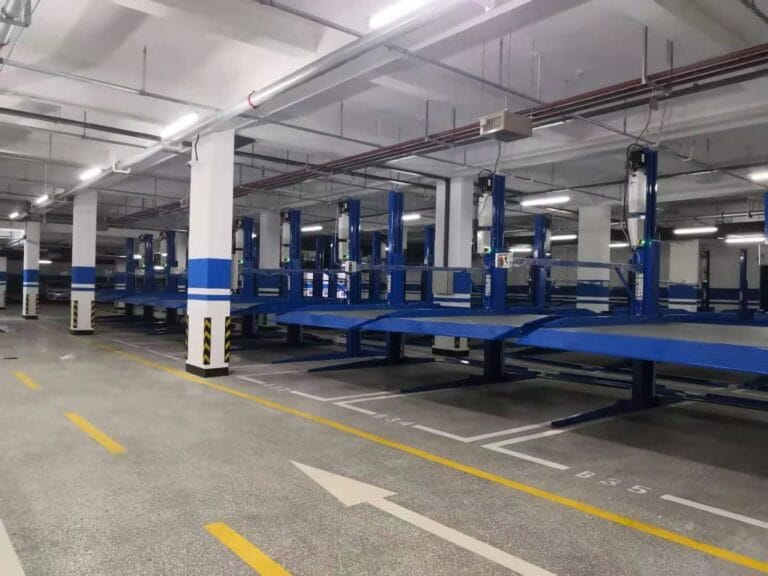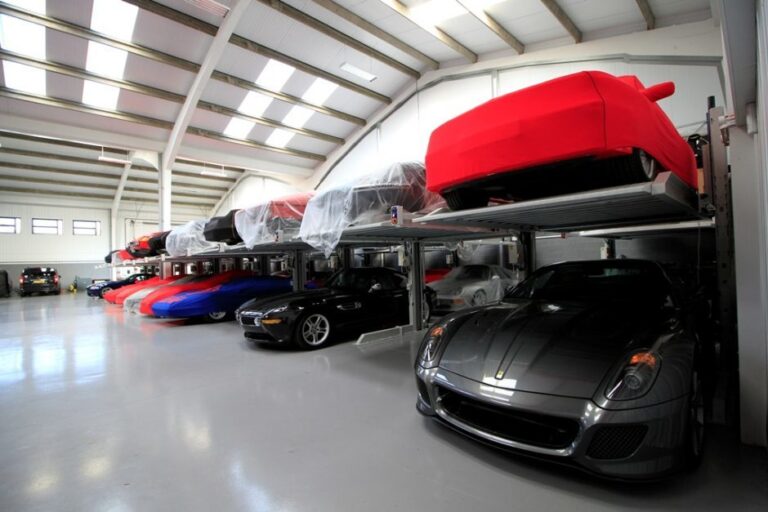

For homeowners with multiple vehicles or limited garage space, a car stacker lift is a game-changing solution to maximize parking capacity without expanding your garage. But with so many options on the market—from two-post to four-post designs, varying weight capacities, and different safety features—choosing the right one for your home garage can feel overwhelming. This guide breaks down everything you need to know to select a car stacker lift that fits your needs, budget, and space, ensuring safety, durability, and convenience for years to come.
What to Consider When Buying a Car stacker lift home garage
Before diving into specific models, it’s critical to assess your unique requirements. The right car stacker lift for your neighbor might not be the best fit for you—factors like garage size, vehicle type, budget, and intended use all play a key role in the decision-making process. Let’s break down the most important considerations to keep in mind.
1. Evaluate Your Garage Space & Dimensions
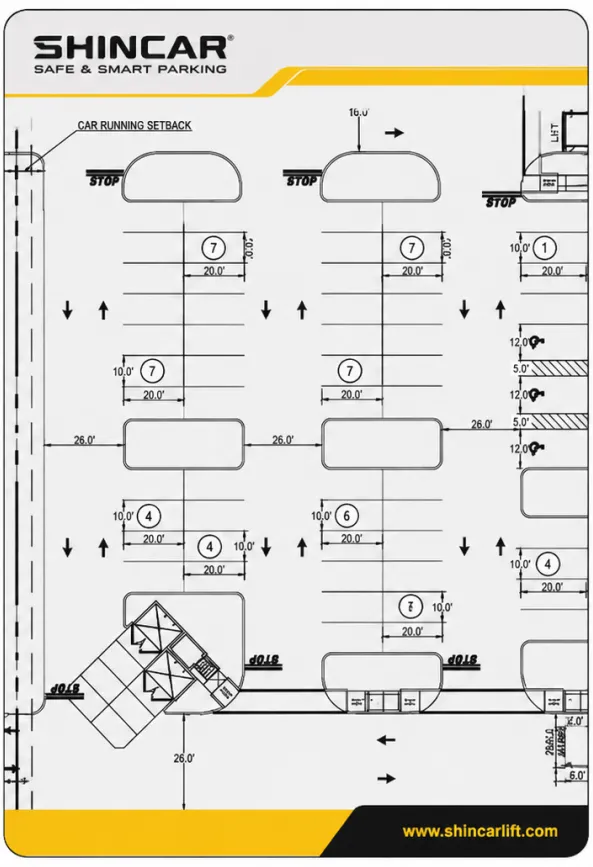
The first step in choosing a car stacker lift is measuring your garage’s available space—this includes ceiling height, floor space, and even entryway clearance. Most home garage car stacker lifts require a minimum ceiling height of 8 to 10 feet for a two-post model, while four-post lifts may need slightly more clearance to accommodate the upper vehicle. Additionally, you’ll need to ensure there’s enough floor space to fit the lift’s base without blocking access to your garage door, tools, or storage areas.
If you have a compact garage, a vertical car stacker lift (which stacks vehicles vertically) is a better choice than a horizontal model, as it saves floor space. For larger garages, a four-post lift might be more stable and easier to use, especially if you plan to use the lower level for storage or maintenance.
2. Determine Weight Capacity Requirements
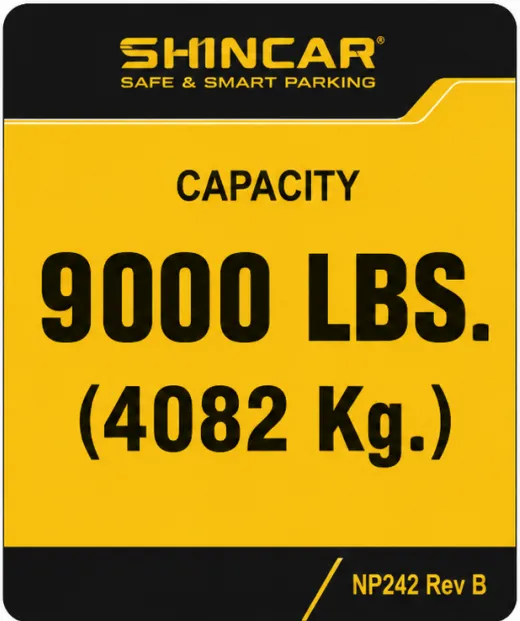
Every car stacker lift has a maximum weight capacity, and it’s non-negotiable to choose one that can support the weight of your heaviest vehicle. Most home-use lifts have a weight capacity between 3,000 and 7,000 pounds—perfect for sedans, SUVs, and small trucks. However, if you own a heavy-duty truck or a large SUV, you’ll need a lift with a higher weight capacity (10,000+ pounds) to ensure safety.
Pro tip: Always factor in a 10-15% weight buffer to account for any additional items in your vehicle (e.g., tools, cargo) and to avoid straining the lift’s mechanism over time. This small precaution can extend the life of your lift and prevent accidents.
3. Choose the Right Lift Type for Your Needs
There are two main types of car stacker lifts for home garages: two-post and four-post. Each has its own advantages and drawbacks, so it’s important to choose based on your intended use.
- Two-Post Car Stacker Lifts: These are the most compact and affordable option for home use. They take up less floor space and are ideal for garages with limited square footage. Two-post lifts are best for short-term parking (not for long-term storage) and are easy to install if you have a concrete floor. However, they offer less stability than four-post lifts and may not be suitable for heavy vehicles.
- Four-Post Car Stacker Lifts: These are more stable and durable, making them a great choice for long-term storage, maintenance, or heavy vehicles. Four-post lifts have a larger base, which distributes weight evenly and reduces the risk of tipping. They also allow you to use the lower level for storage (e.g., tools, spare parts) or even as a workbench. The downside is that they take up more floor space and are typically more expensive than two-post lifts.
4. Prioritize Safety Features
Safety should be your top priority when choosing a car stacker lift—after all, you’re lifting thousands of pounds of metal above your head. Look for lifts with the following safety features to ensure peace of mind:
- Safety Locks: Automatic safety locks that engage when the lift is raised, preventing it from lowering accidentally.
- Emergency Stop Button: A clearly labeled emergency stop that shuts down the lift immediately in case of a malfunction.
- Stable Base: A heavy-duty steel base that’s designed to withstand the weight of your vehicle and prevent wobbling.
- Overload Protection: A feature that shuts down the lift if it exceeds its weight capacity, preventing damage to the lift and your vehiclehttp://www.autolift.org/.
Additionally, look for lifts that are certified by reputable organizations (e.g., ANSI, CE) to ensure they meet industry safety standards.
5. Consider Budget & Long-Term Value
Home garage car stacker lifts range in price from $1,500 to $10,000+, depending on the type, weight capacity, and features. While it’s tempting to go for the cheapest option, keep in mind that a low-quality lift may cost more in the long run due to repairs, replacements, or even accidents.
Invest in a lift from a reputable brand with good customer reviews and a warranty (ideally 1-3 years). A high-quality lift will be more durable, require less maintenance, and last longer—making it a better value over time. If you’re on a budget, consider a mid-range two-post lift for light use, or look for used lifts from trusted sellers (just be sure to inspect the lift thoroughly before purchasing).
6. Think About Installation & Maintenance
Most home garage car stacker lifts require professional installation, especially if you’re not experienced with mechanical work. Installation costs typically range from $500 to $1,500, depending on the lift type and your location. Be sure to factor this into your budget when shopping for a lift.
Maintenance is also important to keep your lift in good working condition. Look for lifts with easy-to-access components and clear maintenance instructions. Regular maintenance (e.g., lubricating moving parts, checking safety locks) will extend the life of your lift and prevent breakdowns.
Best Home Garage Car Stacker Lift Selection Tips for Homeowners
To summarize, here are a few final tips to help you choose the perfect car stacker lift for your home garage:
- Measure your garage space carefully to ensure the lift fits.
- Calculate the weight of your heaviest vehicle and choose a lift with a sufficient weight capacity (plus a buffer).
- Decide between a two-post (compact, affordable) or four-post (stable, durable) lift based on your needs.
- Prioritize safety features like automatic locks, emergency stops, and overload protection.
- Invest in a reputable brand with a warranty to ensure long-term value.
- Factor in installation and maintenance costs when budgeting.
Compare Specific Car Stacker Lift Formats
Once you know the general fit for your garage, the next step is choosing a specific lift format. Each format below has its own trade-offs on capacity, footprint, installation cost, and best use case — the linked guides walk through the decision-making detail for each.
- 2 post car parking lift — pros, cons & residential applications (space-efficient, arms-based, 2,500–3,500 kg capacity, best for standard home garages)
- 4 post car parking lift — drive-on flexibility & buying tips (runway platform, accepts any wheelbase, 3,000–4,500 kg capacity, best for enthusiast garages and dealerships)
- 2 post vs 4 post parking lifts — head-to-head 2026 comparison (side-by-side decision framework covering ceiling height, safety, cost, and vehicle compatibility)
- Puzzle & combi lift car parking systems buyer’s guide (mechanical automation for hotels, dealerships, and multi-family projects — 6 to 40 vehicles per module)
- Is a car parking lift worth it? 2026 cost, benefits & ROI (break-even math and 5-year TCO for residential and commercial buyers)
- Car stacker lift concrete floor specs — the 4-inch, 3,000-PSI rule (verify your garage slab before ordering)
Final Thoughts
Choosing the right car stacker lift for your home garage doesn’t have to be complicated. By assessing your space, vehicle needs, budget, and safety priorities, you can find a lift that maximizes your parking capacity and fits seamlessly into your lifestyle. Whether you’re a car enthusiast looking to store multiple vehicles or a homeowner needing more space, a high-quality car stacker lift is a smart investment that will save you time, space, and hassle for years to come.
Remember, the best car stacker lift is one that meets your specific needs—don’t settle for a one-size-fits-all solution. Take the time to research different models, read reviews, and consult with professionals if needed. With the right lift, you’ll transform your home garage into a functional, space-saving parking solution.